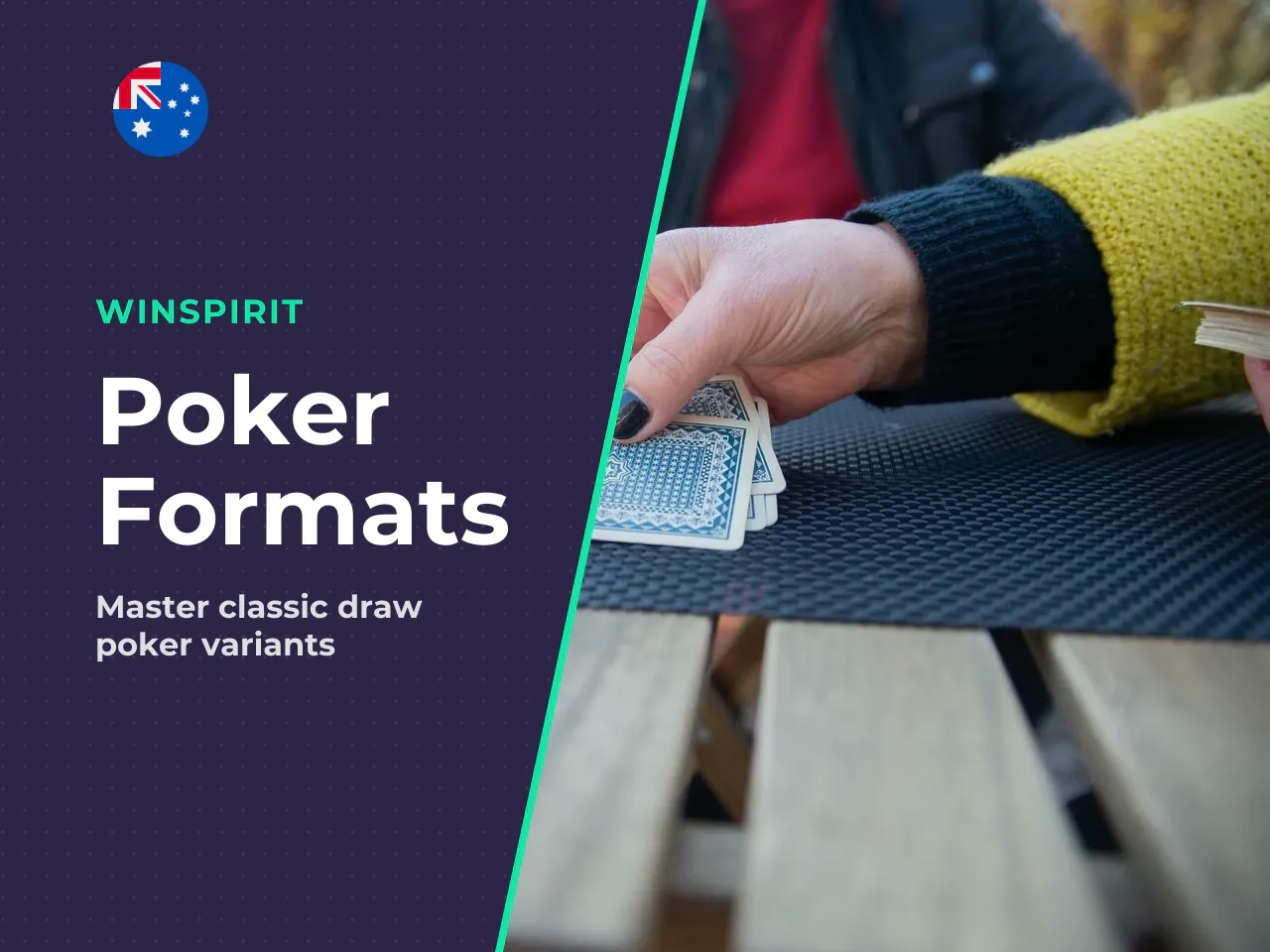
Draw poker differs fundamentally from community variations because all cards are physically held in hand, and participants may trade them directly to improve their holding. Table formats for these less common modes rely heavily on bluffs and psychological reads rather than shared board texture.
The classic five-card draw allows players one opportunity to exchange up to three cards from their holding after a preliminary betting series, followed by a second betting round and a showdown. Other variations, like Seven-Card Stud, where each player receives seven cards (three face-down, four face-up) with no exchange, or Short Deck (using a 36-card deck with twos through fives removed), alter hand rankings and math drastically. In Short Deck, for example, a flush outranks a full house because it is harder to make with the reduced deck. These forms lack the constant action of standard Hold'em cash games and often face lower traffic on typical sites, which can mean longer wait times and smaller player pools.